

Best Curtain Fabrics for Dubai Weather: A Complete Guide

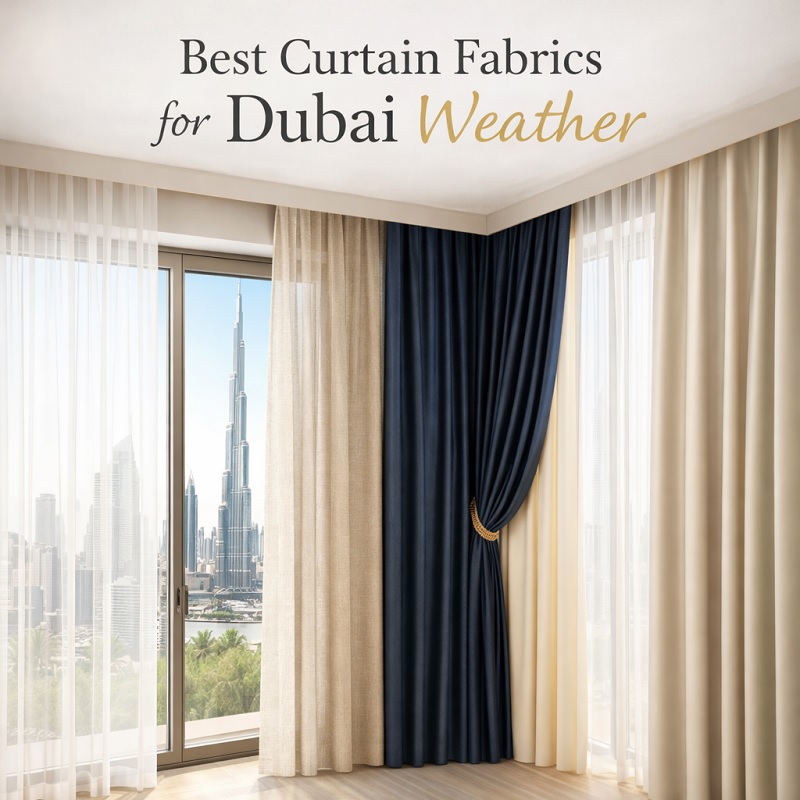
Choosing the right curtains for your home in Dubai is more than just a design decision—it’s about comfort, durability, and functionality. Dubai’s hot and humid climate, combined with intense sunlight, makes selecting the perfect curtain fabric essential. The wrong fabric can lead to faded interiors, increased air-conditioning costs, and a room that feels less comfortable. This guide will explore the best curtain fabrics for Dubai homes, ensuring style, practicality, and climate-friendly solutions.
1. Why Fabric Choice Matters in Dubai
Dubai is known for its scorching summers, with temperatures often exceeding 40°C. Homes are exposed to long hours of sunlight, which can damage furniture, flooring, and even wall colors over time. The ideal curtain fabric should:
-
Block excessive sunlight
-
Reduce heat penetration
-
Be durable against fading
-
Offer privacy without compromising style
The right choice of fabric enhances both the aesthetic and functional aspects of your home, keeping it cool and stylish.
2. Linen Curtains
Linen is a popular choice for Dubai homes because of its lightweight and breathable texture.
-
Pros: Linen allows airflow, keeping rooms cooler while letting natural light filter softly. It has a natural elegance and works well in modern or minimalist interiors.
-
Cons: Linen wrinkles easily and may require regular ironing or professional pressing.
-
Best Use: Living rooms, dining areas, or casual spaces where a relaxed, airy vibe is desired.
Layering linen with a thicker fabric can provide additional insulation and sun protection when needed.
3. Cotton Curtains
Cotton is versatile, durable, and widely available in Dubai.
-
Pros: Cotton curtains are easy to maintain, machine-washable, and come in a variety of patterns and colors. They provide moderate sunlight filtering, making them suitable for everyday use.
-
Cons: Pure cotton may fade over time with prolonged sun exposure. Blended or treated cotton fabrics are more durable in Dubai’s intense sunlight.
-
Best Use: Bedrooms, kitchens, or areas with moderate sun exposure.
4. Polyester Curtains
Polyester has become a favorite for homes in Dubai due to its resilience.
-
Pros: Polyester resists fading, wrinkles, and shrinking. It is affordable and available in a wide range of textures, colors, and patterns. Many polyester curtains also come with blackout or thermal linings.
-
Cons: Polyester is less breathable than natural fabrics, which can trap heat if used alone without layering.
-
Best Use: High-sunlight areas like living rooms, large windows, or glass facades.
Polyester blends often combine durability with a soft feel, offering the best of both worlds.
5. Velvet Curtains
For homeowners looking for luxury and functionality, velvet is an excellent option.
-
Pros: Velvet provides excellent insulation, blocks sunlight effectively, and adds a sense of opulence to interiors. Its thick, plush texture helps maintain cooler indoor temperatures by reducing heat transfer.
-
Cons: Heavy and may require professional cleaning. It can also be expensive compared to other fabrics.
-
Best Use: Living rooms, master bedrooms, or formal lounges where both style and sun-blocking efficiency are priorities.
6. Silk Curtains
Silk is synonymous with elegance and sophistication.
-
Pros: Silk curtains add a luxurious touch, with a soft sheen that enhances interior décor. Treated silks can resist fading and offer moderate insulation.
-
Cons: Pure silk is delicate, expensive, and requires careful maintenance. Direct sunlight can damage it over time.
-
Best Use: Formal dining areas or guest lounges with limited sun exposure. Often layered with sheers or protective liners.
7. Blackout Curtains
Blackout fabrics aren’t a material per se—they are usually polyester or blends with a special lining.
-
Pros: Completely blocks sunlight, protects interiors from UV rays, and ensures privacy. Ideal for bedrooms or media rooms where darkness is needed during the day.
-
Cons: Heavier fabric, less breathable, and may feel bulky if used in small spaces.
-
Best Use: Bedrooms, media rooms, or villas facing direct sunlight.
Blackout curtains are often combined with lighter fabrics like linen or cotton to maintain airflow and style when needed.
8. Sheer Curtains
While sheer curtains don’t block heat significantly, they are essential for layering.
-
Pros: Allows filtered light, maintains privacy, and adds elegance. Perfect when combined with heavier fabrics for versatile light control.
-
Cons: Offers minimal sun protection on its own.
-
Best Use: Living rooms, balconies, or layered with blackout or velvet curtains.
9. Tips for Choosing the Right Fabric
-
Consider Window Size: Larger windows require thicker fabrics to block heat efficiently.
-
Layer Fabrics: Pairing sheer and heavy fabrics allows light control and energy efficiency.
-
Opt for Light Colors: Light shades reflect sunlight, reducing heat absorption.
-
Maintenance: Choose fabrics that suit your cleaning routine. Polyester and cotton blends are easiest to maintain in Dubai homes.
-
Quality Matters: Invest in high-quality fabrics that resist fading, wear, and tear.
10. Conclusion
Selecting the right curtain fabric for Dubai homes is about balancing aesthetics, comfort, and practicality. Linen and cotton offer breathability and elegance, polyester provides durability and sun protection, velvet delivers luxury and insulation, and blackout curtains ensure complete darkness when needed. Layering fabrics and choosing the right color can further enhance comfort and energy efficiency.
With the right fabric, your curtains won’t just decorate your windows—they’ll protect your interiors, regulate temperature, and elevate your home’s style. Investing in quality curtains ensures your Dubai home stays cool, elegant, and comfortable year-round.
